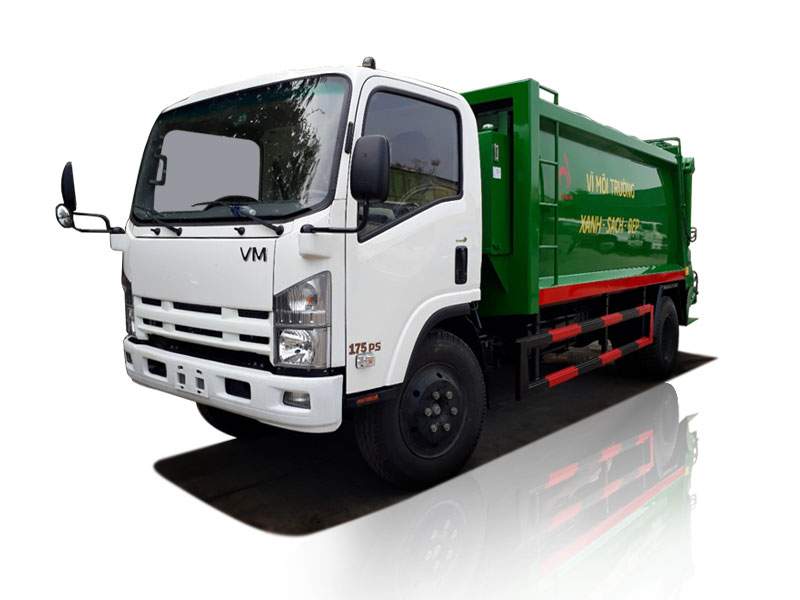
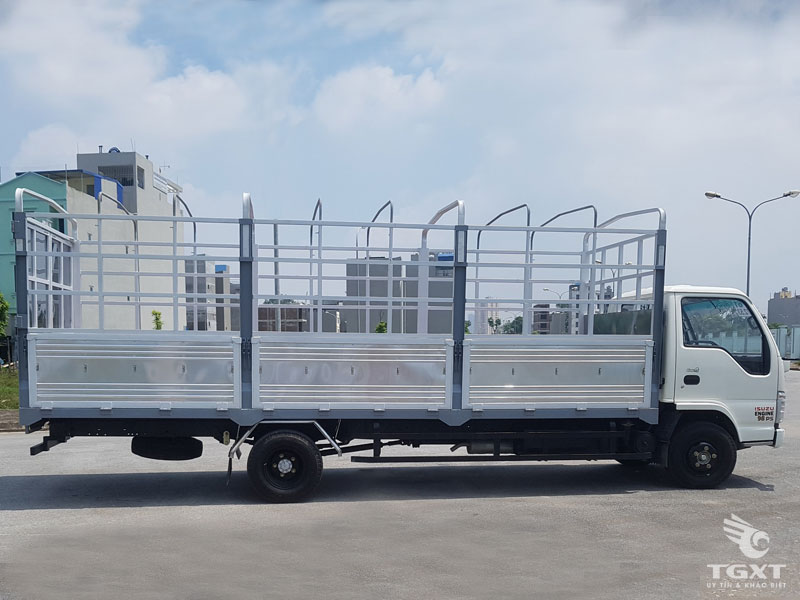
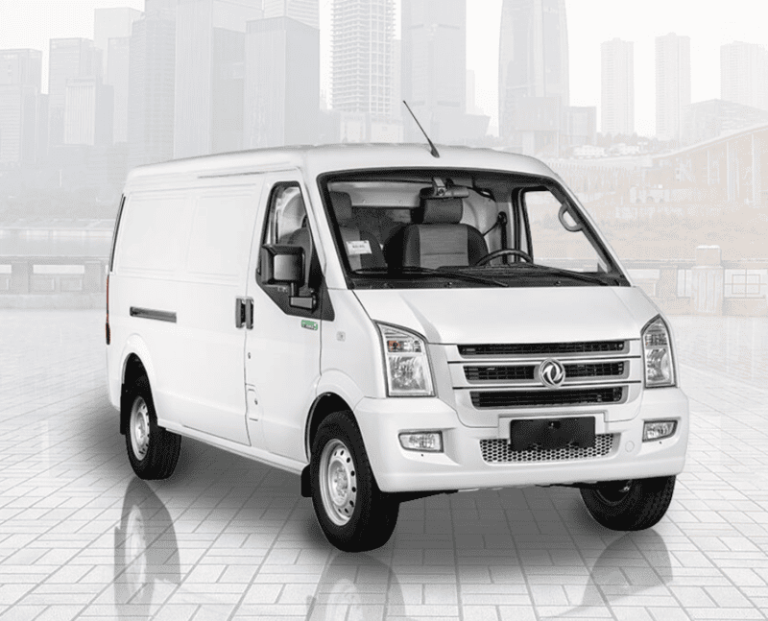
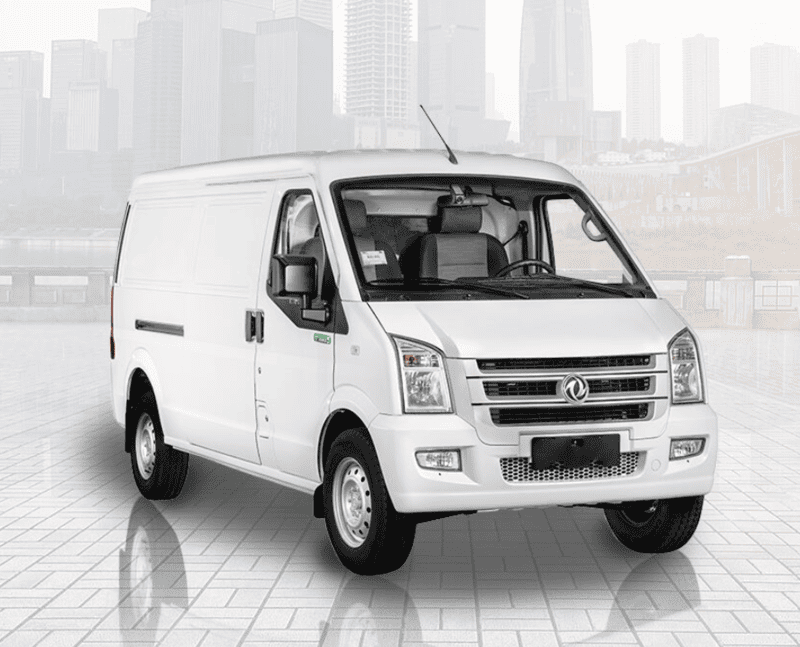
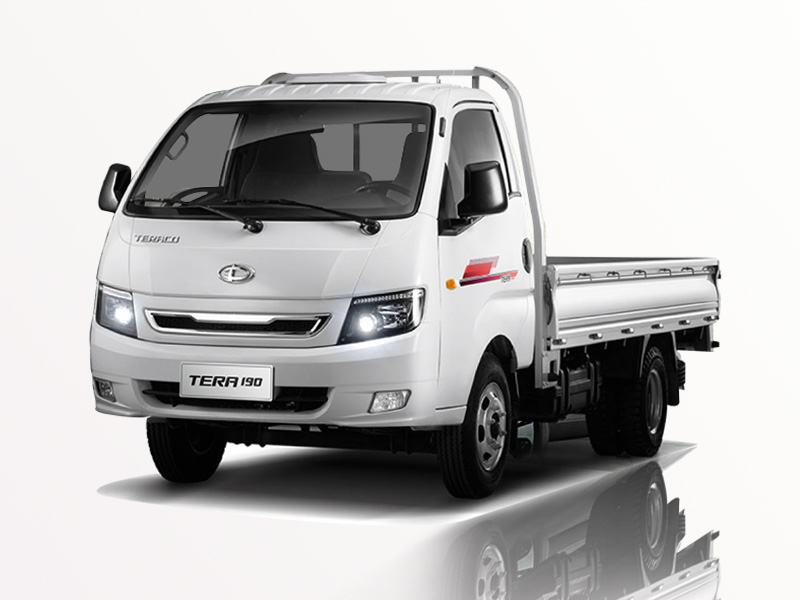
Xe tải Dongfeng ngày càng khẳng định vị thế trên thị trường Việt Nam nhờ chiến lược “giá hợp lý, chất lượng ổn định”. Tuy nhiên, đằng sau mức giá niêm yết hấp dẫn là một bức tranh phức tạp về chi phí thực tế mà người mua cần cân nhắc. Bài viết này phân tích toàn diện giá xe tải Dongfeng, từ chi phí ban đầu đến tổng chi phí sở hữu dài hạn, giúp bạn đưa ra quyết định đầu tư thông minh và phù hợp với nhu cầu vận tải.
I. Tổng quan về Thương hiệu Dongfeng và Định vị Giá tại Việt Nam
Dongfeng là thương hiệu xe tải đến từ Trung Quốc đã xây dựng được vị thế vững chắc tại thị trường Việt Nam, nổi bật với chiến lược định vị “giá thành hợp lý” nhưng vẫn đảm bảo “chất lượng ổn định”. Sự hiện diện của Dongfeng trên thị trường Việt Nam được củng cố thông qua đơn vị phân phối chính là Dongfeng Hoàng Huy, mang đến cho người tiêu dùng nhiều lựa chọn đa dạng từ xe tải nhẹ, tải trung, tải nặng, xe ben, đến xe đầu kéo và các loại xe chuyên dụng.

1.1 Vị thế thương hiệu Dongfeng trên thị trường xe tải Việt Nam
Dongfeng đã tạo được dấu ấn rõ rệt trong phân khúc xe tải tại Việt Nam nhờ vào sự đa dạng về chủng loại và tải trọng. Trong phân khúc xe tải thùng, các model được ưa chuộng bao gồm B170, B180, B190, Captain C, và KR180. Đối với phân khúc tải nặng, các dòng xe 3 chân, 4 chân và 5 chân như C260, L310, L315, L340 cũng nhận được sự tin dùng cao từ doanh nghiệp vận tải.
Sự phong phú về dòng sản phẩm này giúp Dongfeng đáp ứng được nhiều nhu cầu vận chuyển khác nhau, từ chở hàng hóa thông thường đến các công việc chuyên biệt trong ngành xây dựng và logistics. Điều này đã góp phần xây dựng hình ảnh của Dongfeng như một thương hiệu xe tải toàn diện, phục vụ đa dạng nhu cầu của thị trường.
1.2 Mức giá và phân khúc định vị so với các đối thủ
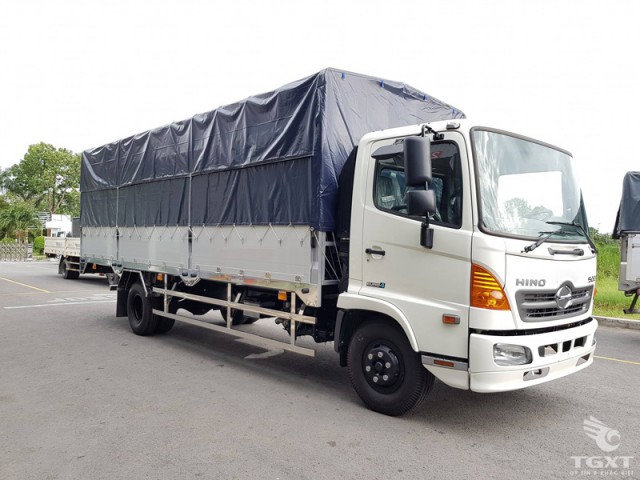
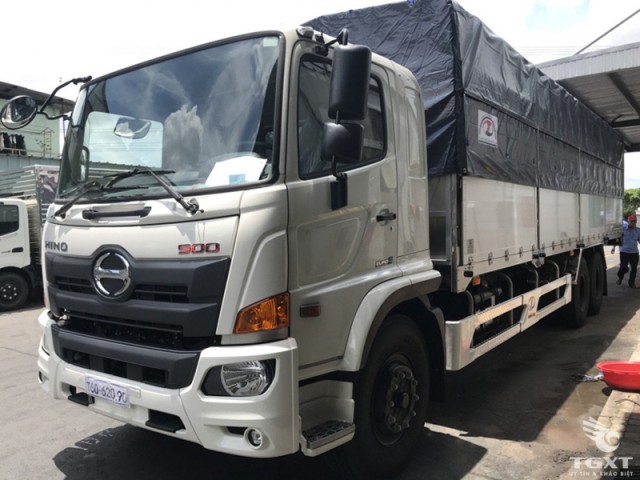
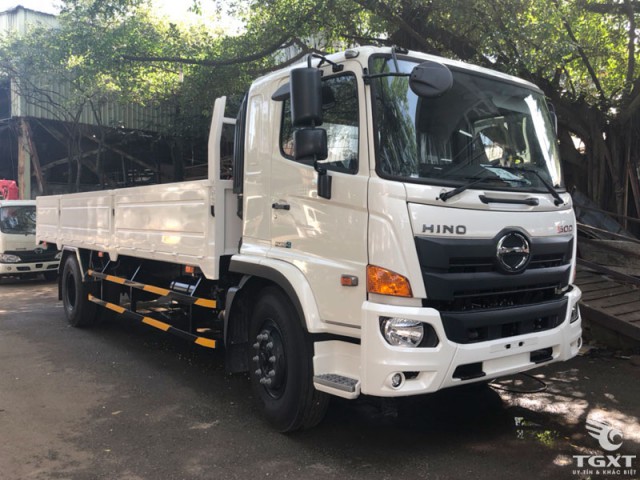
So với các đối thủ đến từ Nhật Bản và Hàn Quốc trên cùng phân khúc, xe tải Dongfeng định vị ở mức giá cạnh tranh hơn đáng kể. Ví dụ, một chiếc Dongfeng 8 tấn thùng dài 9.7m có giá khoảng 980 triệu VNĐ, trong khi mẫu xe Hino 7.5 tấn thùng dài 10m có giá lên đến 1.35 tỷ VNĐ.
Mức chênh lệch giá này khiến Dongfeng trở thành lựa chọn hấp dẫn cho các doanh nghiệp vừa và nhỏ, những đối tượng đặc biệt quan tâm đến chi phí đầu tư ban đầu. Tuy nhiên, giá niêm yết chỉ là một phần của câu chuyện – các yếu tố như tổng chi phí sở hữu (TCO), khả năng vận hành và độ bền theo thời gian mới là thước đo toàn diện về giá trị thực của một khoản đầu tư vào xe tải.
II. Bảng giá xe tải Dongfeng mới theo từng dòng xe
Giá xe tải Dongfeng có sự dao động đáng kể tùy thuộc vào model, tải trọng và cấu hình thùng xe. Cùng một model nhưng có thể chênh lệch hàng chục triệu đồng giữa các đại lý, phản ánh sự phức tạp trong chiến lược định giá của thị trường.
2.1 Giá xe tải thùng tiêu chuẩn theo từng model
Dưới đây là bảng tổng hợp giá niêm yết của các dòng xe tải Dongfeng thùng tiêu chuẩn phổ biến trên thị trường:
| Model | Cấu hình | Tải trọng (tấn) | Giá niêm yết (VNĐ) |
|---|---|---|---|
| Dongfeng B170 | Thùng bạt | 9.35 | 697.000.000 |
| Dongfeng B180 | Thùng bạt dài 7.5m | 9 | 960.000.000 |
| Dongfeng B180 | Thùng bạt dài 7.5m | N/A | 880.000.000 |
| Dongfeng B180 | Thùng kín dài 7.35m | 7.35 | 937.000.000 |
| Dongfeng B180 | Thùng bạt dài 9.5m | 8 | 932.000.000 |
| Dongfeng B190 | Thùng bạt | N/A | 791.000.000 |
| Dongfeng Captain C | Thùng 7.1m | 9.1 | 799.000.000 |
| Dongfeng KR180 | Thùng dài 7.5m | 9 | 1.010.000.000 |
| Dongfeng KR220 | Thùng container 9.9m | 7 | 1.130.000.000 |
| Dongfeng C260 | Thùng bạt | 13 | 1.172.000.000 |
| Dongfeng 4 chân L310 | Thùng bạt | 17.9 | 1.251.000.000 |
| Dongfeng 5 chân | Thùng bạt | N/A | 1.391.000.000 |
| Xe đầu kéo L375 | 2 cầu | N/A | 1.387.000.000 |
Điểm đáng chú ý là sự khác biệt về giá niêm yết giữa các nguồn. Ví dụ, Dongfeng B180 thùng bạt dài 7.5m được một đại lý niêm yết ở mức 960 triệu VNĐ, trong khi đại lý khác lại công bố mức 880 triệu VNĐ. Điều này không chỉ phản ánh sai sót dữ liệu mà còn cho thấy chiến lược định giá phức tạp của thị trường, phụ thuộc vào thời điểm cập nhật, chính sách giá của từng đại lý, và sự khác biệt về cấu hình kèm theo.
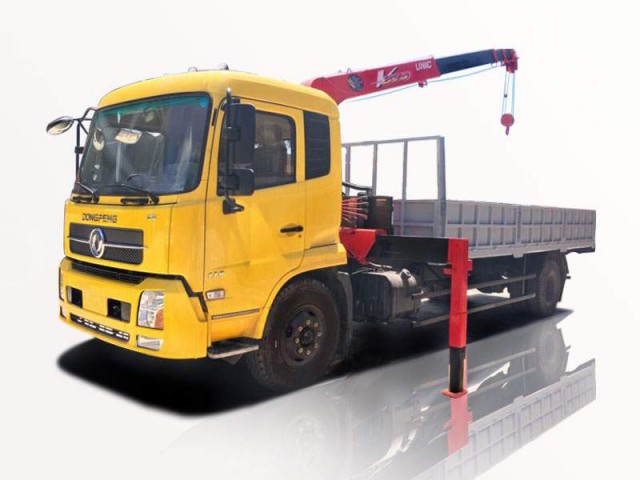
2.2 Giá xe tải chuyên dụng (gắn cẩu, ben, container)
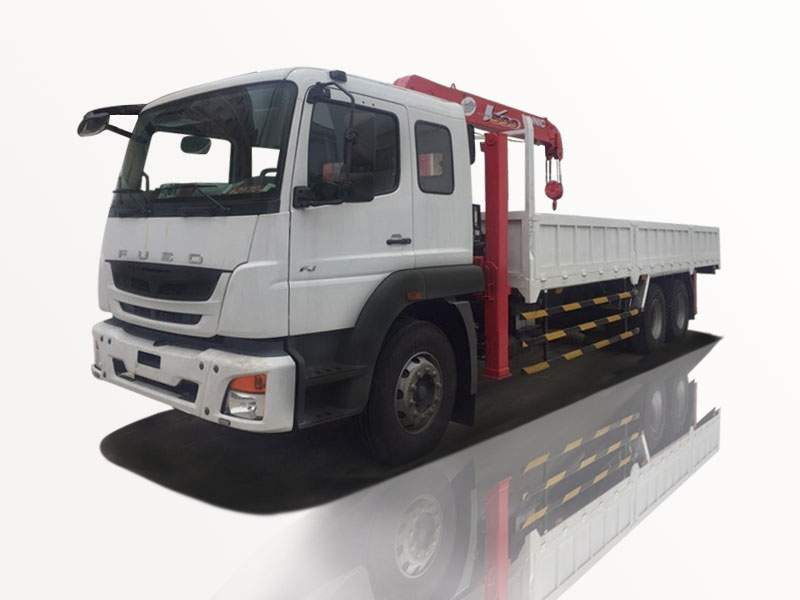
Xe tải chuyên dụng, đặc biệt là xe gắn cẩu, có mức giá cao hơn đáng kể so với xe tải thùng tiêu chuẩn. Nguyên nhân chính đến từ chi phí đầu tư cho thiết bị chuyên dụng và công đoạn lắp đặt phức tạp.
| Tên xe tải | Loại cẩu | Công suất/số khúc | Giá niêm yết (VNĐ) |
|---|---|---|---|
| Dongfeng B170 | Unic URV375 | N/A | 1.342.000.000 |
| Dongfeng B190 | Unic URV343 | 7.6 tấn | 1.302.000.000 |
| Dongfeng C260 | Unic URV804 | 9.3 tấn | 1.712.000.000 |
| Dongfeng L315 | Unic URV1024 | 12 tấn | 2.332.000.000 |
| Dongfeng L315 | Atom 7 tấn | 6 khúc | 2.062.000.000 |
| Dongfeng L315 | Atom 1405 | N/A | 2.532.000.000 |
| Dongfeng B170 | Palfinger | 5 tấn 4 khúc | 1.382.000.000 |
| Dongfeng C260 | HKTC | 7 tấn 6 khúc | 2.012.000.000 |
| Dongfeng L340 | Kanglim | 10 tấn | 2.452.000.000 |
Chi phí để chuyển đổi từ xe tải tiêu chuẩn sang xe gắn cẩu rất lớn. Ví dụ, Dongfeng B170 thùng bạt có giá 697 triệu VNĐ, trong khi phiên bản gắn cẩu Unic URV375 lên đến 1.342 triệu VNĐ, chênh lệch gần 650 triệu VNĐ. Sự chênh lệch này bao gồm chi phí cẩu, lắp đặt, gia cố khung gầm, hệ thống thủy lực, và các chi tiết kỹ thuật đảm bảo an toàn. Đây là điểm cần cân nhắc kỹ lưỡng về hiệu quả kinh tế và khả năng thu hồi vốn trước khi đầu tư.
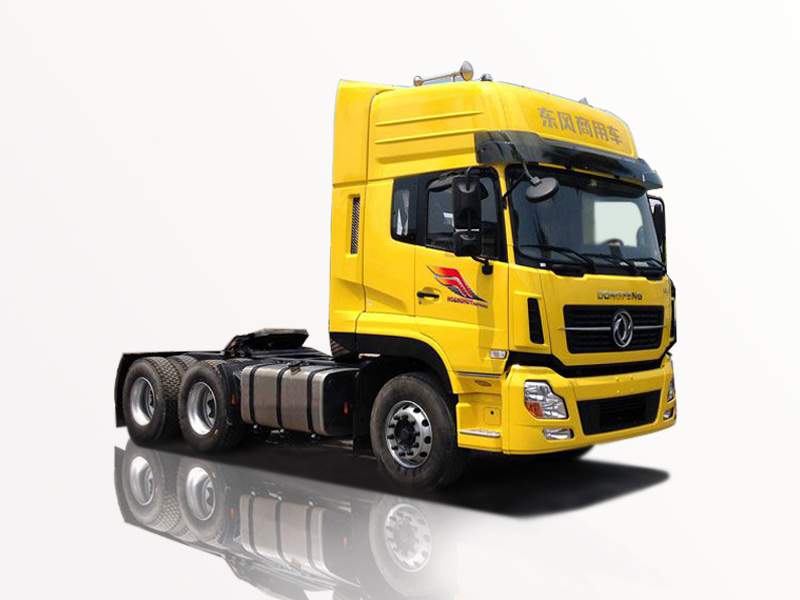
III. Các yếu tố ảnh hưởng đến Giá xe tải Dongfeng
Giá xe tải Dongfeng không chỉ phụ thuộc vào model và cấu hình cơ bản, mà còn chịu tác động từ nhiều yếu tố sâu xa khác. Hiểu rõ những yếu tố này sẽ giúp người mua đưa ra quyết định sáng suốt hơn.
3.1 Ảnh hưởng từ cấu hình và động cơ
Một yếu tố then chốt quyết định giá bán ban đầu cũng như hiệu quả kinh tế lâu dài của xe tải Dongfeng là loại động cơ được trang bị. Hai loại động cơ chính trên xe Dongfeng là Cummins và Yuchai, với những đặc điểm khác biệt rõ rệt:
| Tiêu chí | Động cơ Cummins | Động cơ Yuchai |
|---|---|---|
| Thông số | ISB-180HP.50, 6 xi-lanh, dung tích 5.9L; 315hp, tổng tải 34 tấn | YC4S170-50, dung tích 3,767 cc; YC6A270-50, dung tích 7.520 cm3 |
| Đánh giá | Mạnh mẽ, bền bỉ, tuổi thọ cao, tiết kiệm nhiên liệu. Đạt tiêu chuẩn Euro 4. | “Khỏe, bền, tiết kiệm”; “Chất lượng, bền bỉ”; Tuy nhiên, có nguồn cảnh báo “độ bền không cao” và “tiêu tốn nhiều nhiên liệu”. |
Động cơ Cummins được đánh giá cao về sự bền bỉ và khả năng tiết kiệm nhiên liệu. Mặc dù xe trang bị động cơ này có giá ban đầu cao hơn, nhưng chi phí này có thể được bù đắp và mang lại lợi nhuận vượt trội trong dài hạn nhờ khả năng tiết kiệm nhiên liệu và giảm chi phí sửa chữa.
Ngược lại, các nguồn nghiên cứu đưa ra những đánh giá mâu thuẫn về động cơ Yuchai. Mâu thuẫn này có thể xuất phát từ sự khác biệt về trải nghiệm người dùng, model động cơ, hoặc điều kiện vận hành. Động cơ Yuchai có thể là lựa chọn kinh tế hơn về chi phí ban đầu, nhưng có thể yêu cầu bảo trì thường xuyên hơn.
3.2 Ảnh hưởng từ chính sách đại lý và khuyến mãi
Thị trường xe tải Dongfeng có tính cạnh tranh cao, thể hiện qua việc các đại lý thường xuyên triển khai các chương trình khuyến mãi và giảm giá. Các chương trình này có thể giảm giá trực tiếp lên đến 50 triệu VNĐ hoặc 30 triệu VNĐ, cùng với nhiều quà tặng hấp dẫn khác.
Những chính sách này không chỉ là hoạt động khuyến mãi đơn thuần mà còn phản ánh động lực thị trường. Sự cạnh tranh gay gắt giữa các nhà phân phối buộc họ phải sử dụng giá như một công cụ chính để thu hút khách hàng. Điều này mang lại lợi thế cho người mua, người có thể:
- Tận dụng các chương trình khuyến mãi theo tháng
- Đàm phán trực tiếp để đạt mức giá tốt nhất
- So sánh giá giữa các đại lý để tối ưu chi phí
Vì vậy, việc nghiên cứu và tham khảo giá từ nhiều nguồn khác nhau trước khi quyết định là vô cùng cần thiết để tối ưu hóa chi phí đầu tư ban đầu.
IV. Phân tích Chi phí lăn bánh và Tổng chi phí sở hữu (TCO)
Khi đánh giá toàn diện về chi phí của một chiếc xe tải Dongfeng, không thể chỉ xét đến giá niêm yết. Chi phí lăn bánh và tổng chi phí sở hữu (TCO) là những yếu tố quan trọng cần được xem xét kỹ lưỡng.
4.1 Chi tiết chi phí lăn bánh theo quy định hiện hành
Để chiếc xe có thể lăn bánh hợp pháp trên đường, người mua cần chuẩn bị một khoản ngân sách đáng kể cho các loại phí và thuế bắt buộc. Các khoản phí này bao gồm:
- Lệ phí trước bạ: 1-2% giá trị xe
- Phí đăng kiểm: Dao động từ 230.000 VNĐ đến 600.000 VNĐ tùy thuộc vào trọng tải của xe
- Phí bảo trì đường bộ: Tùy thuộc vào trọng tải và chu kỳ nộp phí, có thể từ 5.070.000 VNĐ đến 40.240.000 VNĐ cho 30 tháng
- Phí ra biển số: Mức phí là 500.000 VNĐ tại Khu vực I (bao gồm Hà Nội và TP. Hồ Chí Minh) và 150.000 VNĐ tại Khu vực II/III
- Bảo hiểm trách nhiệm dân sự bắt buộc: Dao động từ 938.300 VNĐ đến 3.520.000 VNĐ mỗi năm, tùy vào trọng tải xe
Lưu ý rằng có sự không nhất quán trong dữ liệu về phí ra biển số. Một số nguồn đề cập mức phí 500.000 VNĐ cho xe tải tại Hà Nội, trong khi nguồn khác đưa ra con số 20 triệu VNĐ theo một thông tư cũ. Điều này nhấn mạnh tầm quan trọng của việc xác minh lại các khoản phí này với cơ quan chức năng hoặc đại lý uy tín tại thời điểm giao dịch.
4.2 Phân tích TCO: chi phí thực tế trong suốt vòng đời xe
Trong ngành vận tải, giá niêm yết không phải là yếu tố quan trọng nhất để đánh giá một khoản đầu tư. Tổng chi phí sở hữu (TCO) trong suốt vòng đời của xe là thước đo chính xác hơn để đánh giá hiệu quả kinh tế. TCO bao gồm:
- Chi phí nhiên liệu
- Phí bảo trì đường bộ
- Chi phí bảo dưỡng định kỳ
- Chi phí sửa chữa phát sinh
- Giá trị bán lại sau nhiều năm sử dụng
So sánh TCO của xe tải Dongfeng với các đối thủ như Hino cho thấy sự khác biệt lớn. Ví dụ, một chiếc Dongfeng 8 tấn thùng dài 9.7m có giá 980 triệu VNĐ, thấp hơn đáng kể so với Hino 7.5 tấn thùng dài 10m có giá 1.35 tỷ VNĐ.
Mặc dù Dongfeng có lợi thế về giá ban đầu, TCO của nó có thể bị ảnh hưởng bởi chi phí bảo dưỡng, độ bền và giá trị bán lại. Điều này cho thấy việc đầu tư vào một chiếc xe có giá ban đầu thấp không phải lúc nào cũng là quyết định kinh tế nhất về lâu dài nếu chi phí vận hành và bảo trì sau này quá cao.
V. So sánh xe tải Dongfeng mới và cũ: Lợi ích và rủi ro
Thị trường xe tải Dongfeng không chỉ có xe mới mà còn rất sôi động với các mẫu xe đã qua sử dụng. Việc hiểu rõ ưu nhược điểm của cả hai lựa chọn này sẽ giúp người mua đưa ra quyết định phù hợp với nhu cầu và ngân sách của mình.
5.1 So sánh chi phí đầu tư và bảo dưỡng giữa xe mới và cũ
Dữ liệu thị trường cho thấy, mua xe tải Dongfeng cũ có thể tiết kiệm được từ 15-25% chi phí so với xe mới, tương đương với khoản tiền lên đến 200 triệu VNĐ. Các mức giá cụ thể trên các sàn giao dịch trực tuyến cũng chứng minh điều này, với nhiều mẫu xe cũ có giá chỉ từ vài trăm triệu đồng.
Tuy nhiên, phía sau mức giá hấp dẫn đó là những chi phí tiềm ẩn mà người mua cần cân nhắc:
- Chi phí sửa chữa lớn do hư hỏng tiềm ẩn
- Không được hưởng chế độ bảo hành chính hãng
- Chi phí nhiên liệu cao hơn do động cơ đã cũ
- Giá trị bán lại thấp hơn trong tương lai
Khoản tiền tiết kiệm được từ việc mua xe cũ có thể được sử dụng để mở rộng kinh doanh, nhưng đi kèm với nguy cơ phát sinh chi phí lớn không lường trước nếu không kiểm tra kỹ lưỡng trước khi mua.
5.2 Lưu ý khi chọn mua xe cũ và kiểm định kỹ thuật
Các chuyên gia khuyến cáo người mua phải thực hiện thẩm định chuyên sâu khi chọn mua xe tải Dongfeng cũ. Một số điểm cần lưu ý bao gồm:
- Kiểm tra giấy tờ xe – Đảm bảo đầy đủ và hợp pháp, không có tranh chấp hay cầm cố
- Kiểm tra lịch sử bảo dưỡng – Xe được bảo dưỡng định kỳ sẽ có độ bền cao hơn
- Đánh giá tình trạng động cơ – Kiểm tra độ khói, tiếng ồn, rò rỉ dầu
- Kiểm tra hệ thống phanh và treo – Đảm bảo an toàn khi vận hành
- Đánh giá tình trạng khung gầm – Kiểm tra xem có dấu hiệu cong vênh, nứt gãy hay không
Ưu tiên mua xe từ các đại lý uy tín có chính sách bảo hành và minh bạch thông tin, tránh mua xe từ các nguồn không rõ ràng có thể tiềm ẩn nhiều rủi ro.
VI. Giải pháp tài chính khi mua xe: Trả góp và hỗ trợ vay
Để giảm rào cản tài chính ban đầu, nhiều đại lý xe tải Dongfeng cung cấp các chương trình hỗ trợ vay trả góp, giúp người mua dễ dàng sở hữu phương tiện ngay cả khi chưa đủ vốn.
6.1 Điều kiện và thủ tục vay trả góp mua xe Dongfeng
Các điều kiện cơ bản khi vay trả góp mua xe tải Dongfeng bao gồm:
- Khách hàng cá nhân: Được hỗ trợ vay lên đến 75% giá trị xe
- Doanh nghiệp: Có thể vay tới 90% giá trị xe
- Mức trả trước tối thiểu: Thường chỉ từ 20-30% giá trị xe
- Độ tuổi: Thường từ 20-65 tuổi với cá nhân
- Thời gian hoạt động: Tối thiểu 6 tháng đến 1 năm với doanh nghiệp
Thủ tục vay thường bao gồm các giấy tờ cơ bản như CMND/CCCD, sổ hộ khẩu, giấy chứng nhận đăng ký kinh doanh (với doanh nghiệp), và chứng minh thu nhập hoặc tài sản đảm bảo.
6.2 So sánh các gói tài chính: lãi suất và kỳ hạn linh hoạt
Phương thức trả góp không chỉ là một lựa chọn thanh toán mà còn là một chiến lược kinh doanh. Các khoản vay thường có những đặc điểm sau:
- Thời gian vay: Linh hoạt từ 2 đến 7 năm
- Lãi suất: Thường dao động từ 7-10% tùy theo thời hạn và chính sách ngân hàng
- Số tiền trả góp hàng tháng: Từ 13.5 triệu đến 16.5 triệu VNĐ tùy vào thời hạn vay
Với số vốn ban đầu thấp, người mua có thể nhanh chóng sở hữu phương tiện để tạo ra dòng tiền, ngay cả khi chưa có đủ vốn. Việc tính toán chi tiết dựa trên dư nợ giảm dần giúp người mua có cái nhìn thực tế và quản lý tài chính chặt chẽ hơn.
Lưu ý rằng các chương trình khuyến mãi của đại lý có thể kết hợp với các gói vay trả góp, giúp giảm thêm gánh nặng tài chính cho người mua.
VII. Kết luận: Lựa chọn xe tải Dongfeng hiệu quả theo nhu cầu
Phân tích toàn diện về giá xe tải Dongfeng cho thấy đây là một thị trường đa dạng, sôi động và có tính cạnh tranh cao. Giá niêm yết chỉ mang tính tham khảo và biến động tùy thuộc vào thời điểm, chính sách đại lý và cấu hình xe.
Một kết luận quan trọng là giá niêm yết không phải là yếu tố quyết định duy nhất. Tổng chi phí sở hữu (TCO) trong suốt vòng đời của xe là thước đo chính xác hơn để đánh giá hiệu quả kinh tế. Mặc dù Dongfeng có lợi thế về giá ban đầu so với các đối thủ Nhật Bản hay Hàn Quốc, nhưng việc xem xét kỹ lưỡng các chi phí vận hành, bảo dưỡng, và giá trị bán lại là điều cần thiết để đưa ra một quyết định đầu tư đúng đắn.
Dựa trên những phân tích trên, các khuyến nghị sau được đưa ra:
- Đối với cá nhân và doanh nghiệp nhỏ: Nên tập trung vào việc phân tích TCO và tận dụng các chương trình khuyến mãi của đại lý. Phương thức mua trả góp là một công cụ tài chính hiệu quả để giảm rào cản đầu tư ban đầu.
- Đối với các đội xe và doanh nghiệp vận tải lớn: Ưu tiên hiệu suất và độ bền của động cơ, đặc biệt là động cơ Cummins có thể mang lại hiệu quả kinh tế bền vững hơn trong dài hạn.
- Đối với tất cả người mua: Cần thực hiện thẩm định kỹ lưỡng, liên hệ trực tiếp với các đại lý uy tín để nhận báo giá lăn bánh chính xác nhất, và không ngừng cập nhật thông tin thị trường để đưa ra quyết định tối ưu nhất.